
Cross-examination is one of the most powerful tools available to an advocate. It is the stage where the truth of a case is tested, witness credibility is challenged, and contradictions are exposed. A well-planned cross-examination can completely break the prosecution’s or opponent’s case, while a weak one can strengthen the other side. For young advocates, learning cross-examination is not about aggression—it is about strategy, timing, observation, and precision.
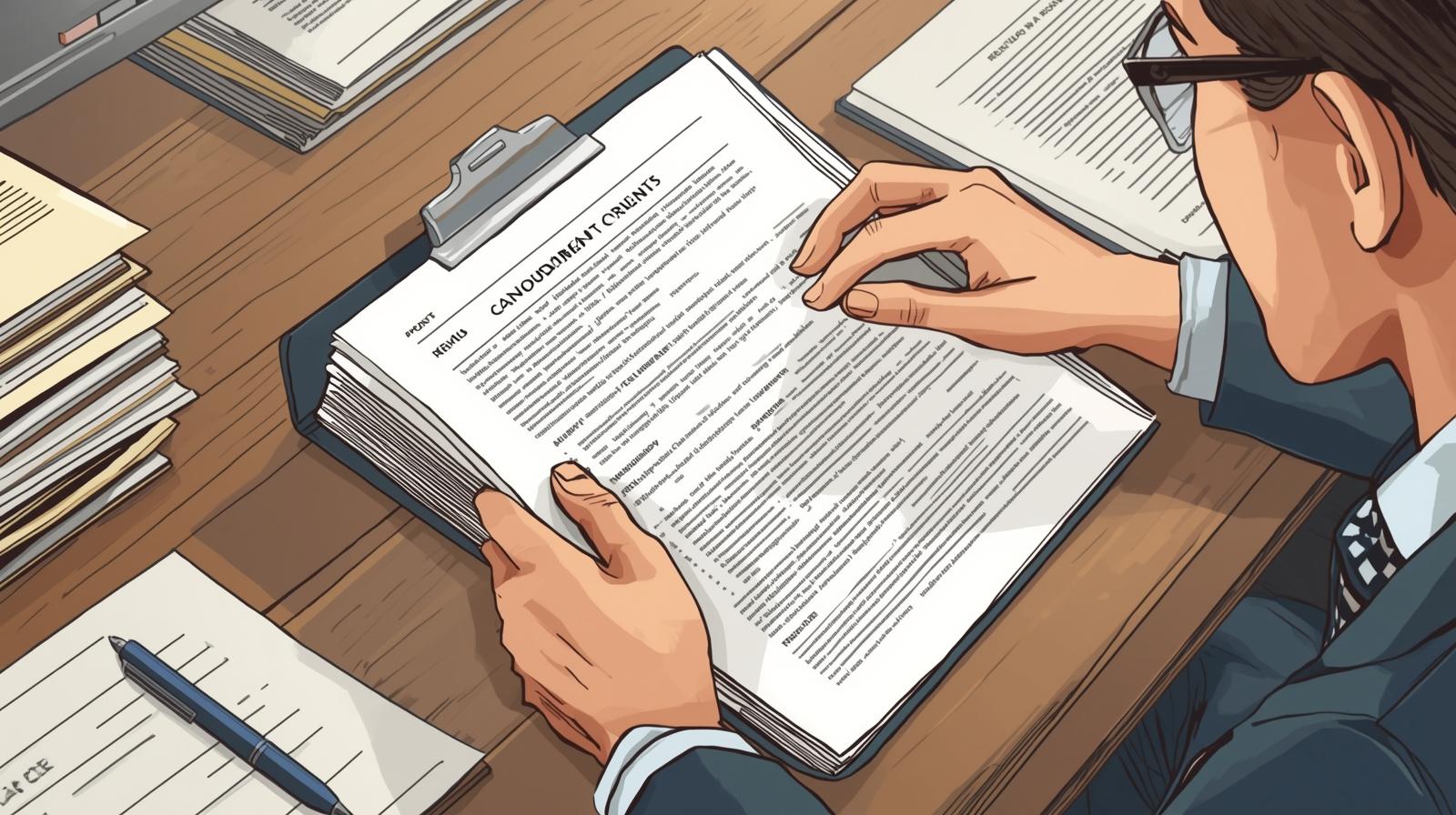
The first rule of effective cross-examination is preparation. Before you step into court, you must know the entire case file thoroughly. Read the FIR or plaint, written statement, witness statements, medical/legal reports, and all relevant documents. Identify contradictions between earlier statements and court statements. A young advocate must never walk into cross-examination without a question plan, because courtroom pressure can cause confusion. Preparation gives you control over the witness, not the other way around.
A key strategy in cross-examination is to ask leading questions. These are questions that suggest the answer, such as:
“You were not present at the scene, correct?”
Leading questions limit the witness’s ability to explain or escape. They force the witness to say yes or no, allowing you to guide the narrative. Young advocates must avoid asking open-ended questions like “What happened next?”, because such questions give the witness freedom to build a stronger story for the opposite side.
While cross-examining, you must understand that the goal is to expose contradictions. Every witness has earlier statements—under investigation, before police, in affidavits, or in documents. Compare these with what the witness says in court. Point out every inconsistency. Even small contradictions can create doubt in the judge’s mind. Remember, courts evaluate credibility, not perfection. If a witness keeps changing their version, the entire testimony becomes unreliable.
Another essential technique is testing the memory and perception of the witness. Human memory is not perfect. You can question the witness about dates, times, distances, events, and surroundings to reveal inconsistencies. For example:
“How far were you from the incident? What was the lighting? How many people were there?”
These questions help show that the witness’s observation was weak or impossible, reducing reliability.
Many young advocates make the mistake of arguing with the witness. Never argue. Never show anger. Stay calm. The judge observes your behaviour, and losing composure weakens your credibility. Cross-examination is not a fight—it is a technique. If the witness lies, let them lie confidently. Your job is to trap the lie, not to fight it. Use evidence, documents, and earlier statements to silently corner the witness.
Another powerful technique is to attack the motive, bias, or interest of the witness. Ask questions that show:
The witness is related to a party
Has personal enmity
Has financial interest
Was coached
Is exaggerating out of emotion
Once bias is established, even the best testimony becomes doubtful.
When dealing with expert witnesses (doctors, forensics, technical experts), your focus should be on limitations and alternatives. Ask questions such as:
“Is this the only possible explanation? Could there be another cause?”
Showing that the expert’s conclusion is not absolute weakens the other side without disrespecting the expert.
Control is the heart of cross-examination. A witness may try to give long explanations, avoid questions, or confuse the court. Politely remind them to answer directly:
“Please answer the question first.”
If the witness becomes emotional, stays silent, or acts overconfident, it usually means your questions are effective. Maintain control without raising your voice.
A young advocate must also know when not to cross-examine. If a witness has given a harmless statement that does not hurt your case, skip cross-examination. Unnecessary cross gives the witness a chance to damage your client’s position. Cross-examination is a tool—use it only when needed.
The final part of cross-examination is linking your questions to your case theory. Every question must support your defence strategy. If your case theory is that the witness was not present at the scene, every question must lead toward that point. Random questions confuse the judge and weaken your purpose. Focus and clarity are essential.
In conclusion, cross-examination is a courtroom art that grows with practice. It requires preparation, patience, leading questions, control, knowledge of contradictions, understanding of human behaviour, and a strategic mind. A young advocate who masters cross-examination becomes confident, sharp, and highly respected in court. Remember: the purpose of cross is not to win an argument but to reveal the truth through skillful questioning.