Handling evidence is one of the most crucial skills for a young advocate because evidence determines the success or failure of a case. Even the best drafting or arguments cannot rescue a case if the evidence is weak, improperly proved, or incorrectly presented. Understanding how to identify, manage, present, object to, and prove evidence is the foundation of courtroom practice. Judges rely more on evidence than on emotions or arguments, so young advocates must treat evidence with utmost care.
The first step in evidence handling is understanding the difference between primary and secondary evidence. Primary evidence includes original documents, original electronic records, original photos, original agreements, medical papers, and all first-hand materials. Secondary evidence, such as photocopies or digital copies, is admissible only under specific conditions. A young advocate must always try to rely on primary evidence whenever possible because courts give it the highest weight.
Another important aspect is relevance and admissibility. Not all documents help your case. A document may be interesting but irrelevant. Courts accept only evidence that is relevant to the factual issues and admissible under the Bharatiya Sakshya Adhiniyam, 2023 (or earlier Evidence Act). Before offering any document to the court, ask yourself: Does this prove a fact in dispute? If not, avoid cluttering the file. Judges appreciate clarity and focus.
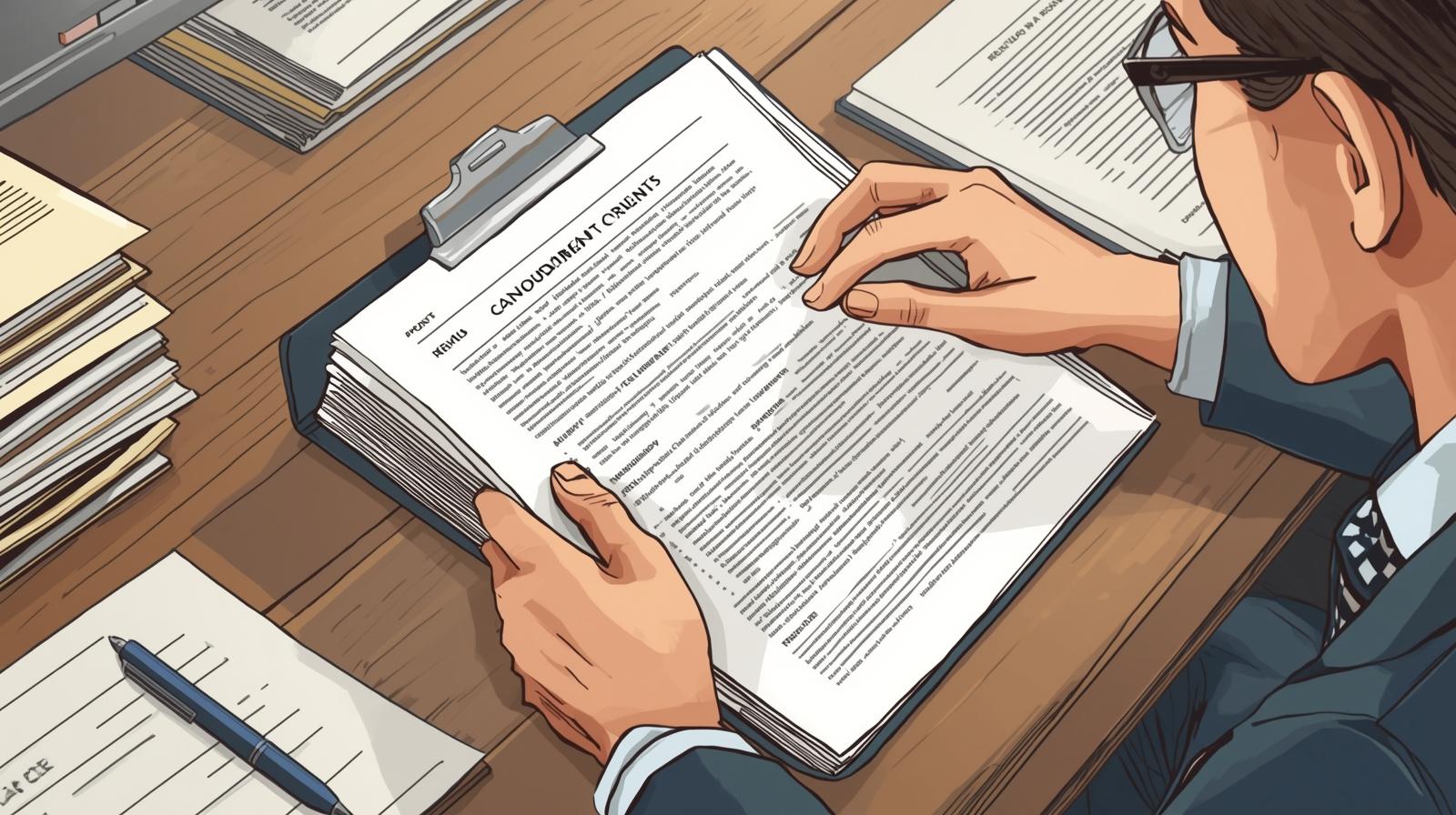
When dealing with documentary evidence, ensure proper marking and exhibit process. Documents submitted by the plaintiff/prosecution are marked as Exhibit P-1, P-2, etc., while defence documents are Exhibit D-1, D-2…. Every young advocate should ensure that documents are:
Original or properly certified,
Filed with a list of documents,
Mentioned in the affidavit of evidence (for civil matters),
Shown to the other party, and
Allowed by the court after hearing objections.
Correct marking prevents confusion during arguments and judgment writing.
In criminal trials, handling witness statements is a key part of evidence management. Statements recorded during investigation, like witness statements, medical reports, spot panchnamas, and seizure memos, are not automatically treated as evidence unless proved during trial. For example, a panch witness must confirm the seizure in court. A young advocate must check for contradictions, omissions, improvements, and inconsistencies between earlier statements and testimony given in court. These differences become powerful tools during cross-examination.
Cross-examination is the heart of evidence handling. A well-planned cross-examination exposes falsehood, destroys credibility, and weakens the opposite party’s case. Before cross-examining, a young advocate should prepare a list of questions focusing on:
Contradictions with documents,
Motive of the witness,
Interest or bias,
Inconsistencies with timelines,
Missing details in earlier statements, and
False assumptions or exaggerations.
Good cross-examination does not require shouting; it requires precision, legal understanding, and control over the witness.
Electronic evidence has become extremely important in modern litigation. WhatsApp chats, emails, CCTV footage, call recordings, photographs, metadata, and social media content are common. However, these cannot be simply printed and submitted. Under the rules of electronic evidence, especially the certificate requirement under BSA, proper authentication must accompany digital documents. A young advocate should always ask clients for original devices, screenshots, backups, and metadata because courts require digital proof to be authentic and traceable.
Another essential element of evidence handling is making timely objections. If the opposite party tries to introduce an inadmissible document or statement, the advocate must immediately object. Common objections include:
Document is not original
Document is not proved
Hearsay evidence
Leading question
Irrelevant question
Statement beyond pleadings
Lack of proper certification for electronic evidence
Raising objections at the right time helps protect your client’s rights and ensures the judge does not wrongly rely on inadmissible material.
Maintaining a clean evidence file is equally important. Young advocates should separate documents into categories such as:
Client documents
Court exhibits
Opponent’s documents
Witness statements
Orders and notes
Keeping the file organized saves time during trial and makes your presentation smooth and professional.
After evidence is closed, the last part of evidence handling is using the evidence effectively during final arguments. Highlight contradictions, point out doubtful witnesses, show inconsistencies in medical or forensic reports, and connect documentary proof with oral testimony. Judges appreciate advocates who can link evidence with legal principles clearly and logically.
In conclusion, evidence handling is a skill that grows with experience but begins with understanding the basics: primary vs secondary evidence, marking exhibits, admissibility, objections, cross-examination, and digital evidence rules. A young advocate who masters these elements becomes confident, sharp, and highly effective in court. Proper evidence handling not only strengthens your case but also builds your reputation as a knowledgeable and reliable courtroom lawyer.