
The criminal justice process under the Bharatiya Nagarik Suraksha Sanhita (BNSS), 2023 follows a structured and logical sequence. For every young advocate, understanding this flow is extremely important because criminal cases move faster, involve strict timelines, and require quick decision-making. A clear understanding of each stage helps an advocate plan anticipatory bail, regular bail, defence strategy, and cross-examination effectively.
Every criminal case begins with information to the police—either through an FIR or a complaint. Under BNSS, an FIR is registered for cognizable offences when the police receive information about a crime. The advocate must guide the client on how to give clear facts, correct details, and support documents. For non-cognizable offences, the police makes an entry in the register and directs the complainant to the Magistrate. Understanding the difference helps you decide whether to approach the police or the court first.
Once the FIR is registered, the police starts investigation. This includes visit to the crime scene, recording witness statements, collecting evidence, seizure of articles, medical examination, and arrest if necessary. Under BNSS, police have stricter timelines and technologies like videography and digital evidence play a major role. A young advocate must monitor whether investigation is fair, and file necessary applications for documents, CCTV footage, and witness protection when required.
If the accused fears arrest, the next immediate step is anticipatory bail. The advocate must explain the allegations, provide supporting documents, and show why the arrest is unnecessary. If the accused is arrested, the advocate moves for regular bail by emphasizing factors like cooperation, no criminal history, and no risk of tampering with evidence. BNSS adds new conditions and procedures for bail, so understanding the updated provisions is crucial.
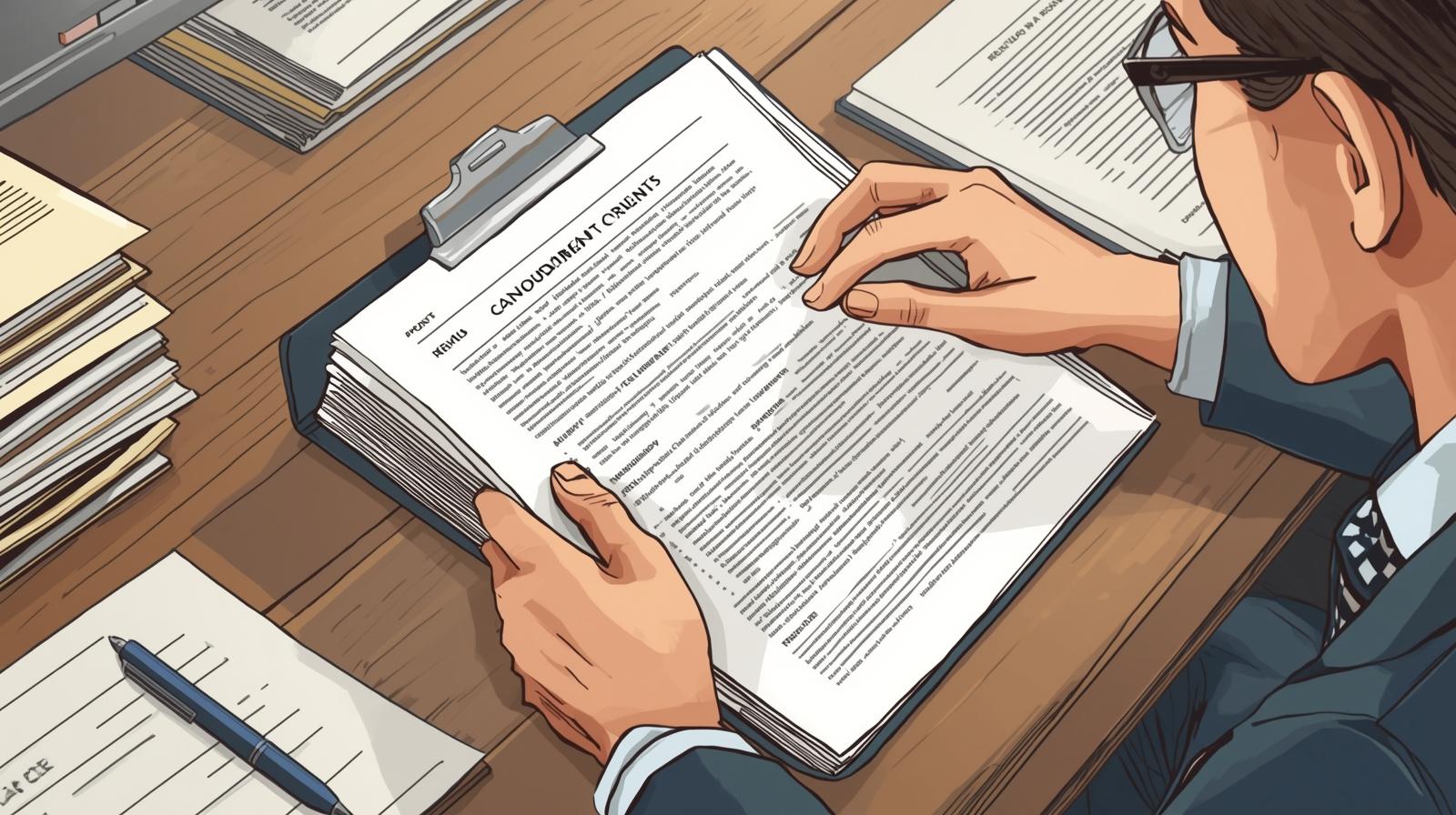
After investigation is completed, the police files a charge-sheet before the Magistrate. This is a crucial point for young advocates because the charge-sheet contains witness statements, medical reports, forensic results, and all evidence collected. The accused gets a copy of the entire police record. The advocate must carefully read the documents, spot contradictions, and prepare defence strategy. If evidence is weak, applications for discharge can be filed at this stage.
When the matter reaches court, the next step is framing of charges. The Magistrate or Sessions Judge examines the charge-sheet and decides whether a prima facie case exists. If yes, charges are framed formally and explained to the accused. If not, the accused can be discharged. For a young advocate, this is the stage where you must make strong arguments on insufficiency of evidence, absence of ingredients of offence, and contradictions in the prosecution story.
After charges are framed, the matter proceeds to trial, which begins with prosecution evidence. The prosecution presents its witnesses (PW1, PW2…) and the defence gets a chance to cross-examine each of them. Cross-examination is the heart of criminal trial. A young advocate must prepare questions in advance, focusing on contradictions, omissions, and credibility issues. Good cross-examination can weaken even a strong prosecution case.
Once the prosecution evidence is completed, the accused is examined under Section 343 of BNSS (similar to Section 313 CrPC earlier). The court asks questions based on the evidence recorded, and the accused gets a chance to explain any circumstances appearing against him. This is not evidence but a personal explanation. The advocate should guide the accused to answer truthfully and clearly.
Next comes the defence evidence stage, but this stage is optional. If the defence has witnesses or documents to prove innocence, they can be presented. Many cases do not require defence evidence if the prosecution has failed to prove its case beyond reasonable doubt. A young advocate must decide whether defence evidence is necessary depending on the strength of prosecution evidence.
After evidence is complete, the case moves to final arguments. This is where the advocate tells the court how the prosecution has failed to prove guilt, highlights contradictions, weaknesses, lack of motive, unreliable witnesses, and legal loopholes. This is the last opportunity to persuade the court. Clear, logical, and structured arguments make a strong impact.
Finally, the court pronounces judgment. If the accused is acquitted, the case ends. If convicted, the court proceeds to sentencing. The advocate may argue for leniency, mitigating circumstances, or probation depending on the facts. If the decision is unsatisfactory, the next step is appeal or revision before the higher court.
In summary, the criminal justice procedure under BNSS follows a clear sequence:
FIR → Investigation → Arrest/Bail → Charge-sheet → Charges → Prosecution Evidence → Cross-examination → Accused Statement → Defence Evidence → Final Arguments → Judgment → Appeal.
When a young advocate understands this flow, they can handle criminal cases confidently, protect the rights of the accused, and challenge weak prosecution cases effectively.