
Understanding the procedure of a civil suit is essential for every young advocate because civil cases move slowly and involve multiple structured stages. The Code of Civil Procedure (CPC) provides the roadmap for how a civil case begins, proceeds, and ends. A clear understanding of these stages helps you plan drafts, strategy, evidence, and arguments effectively. Civil procedure may appear complex at first, but once broken into simple steps, it becomes very predictable and easy to follow.
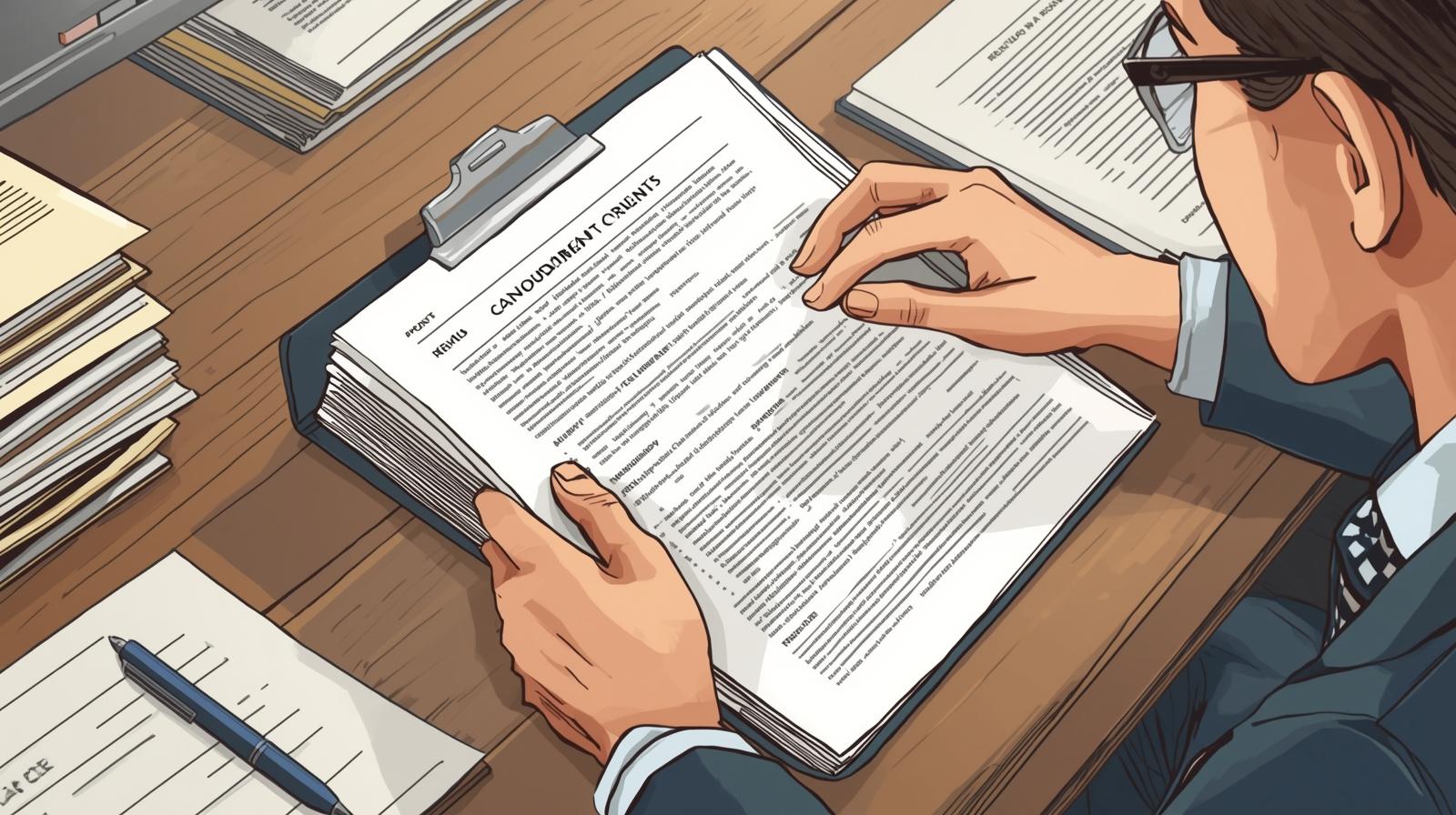
Every civil case begins with the filing of the plaint. A plaint is the foundation of a civil suit, where the plaintiff explains the facts, cause of action, relief claimed, and jurisdiction. As a young advocate, ensure that the plaint contains all necessary facts, documents, and signatures. Once the plaint is filed and court fees are paid, the court examines whether the matter is fit to be registered. This is the first doorway into civil litigation.
After the plaint is registered, the court issues summons to the defendant. The purpose of the summons is to formally inform the defendant that a case has been filed against them. The advocate must monitor whether the summons is served properly—either through court bailiff, RPAD, courier, email, or other modes allowed. Improper service can delay proceedings. Once the summons is received, the defendant is expected to appear and present their defence.
The defendant’s defence comes in the form of a written statement (WS). This is one of the most crucial documents in a civil case. The WS must address every allegation made in the plaint—either admitting, denying, or explaining it. A proper written statement must include facts, documents, and the defendant’s version of events. As a young advocate, remember that whatever is not denied is considered admitted under the CPC. So drafting a clear and specific WS is extremely important.
After the written statement, the plaintiff may file a replication (also called rejoinder) to answer the defendant’s new points. Not every case has a replication, but when necessary, it helps the plaintiff clarify disputed issues. At this stage, both sides’ pleadings become complete. The next step is identifying what issues the court must decide.
The court then frames issues. Issues are specific questions framed by the judge based on the pleadings. For example, “Whether the plaintiff has proved ownership?” or “Whether the defendant has committed breach of contract?” Issues tell both sides what must be proved during trial. A young advocate should study the issues carefully because they guide the entire evidence stage.
Once issues are framed, the court asks parties to file affidavits of evidence (examination-in-chief). This is where witnesses present their statements on oath. Every fact must now be supported by documents or testimony. The plaintiff presents evidence first, followed by cross-examination by the defendant. Then the defendant leads evidence, and the plaintiff cross-examines the defendant’s witnesses. Managing evidence is the most practical and demanding part of civil procedure.
During evidence, all documents are marked as exhibits. A young advocate must ensure that the documents are original, admissible, and relevant. Any mistake in proving documents may weaken the case later. Evidence is the backbone of civil litigation, and strong documentary proof often decides the outcome of the case.
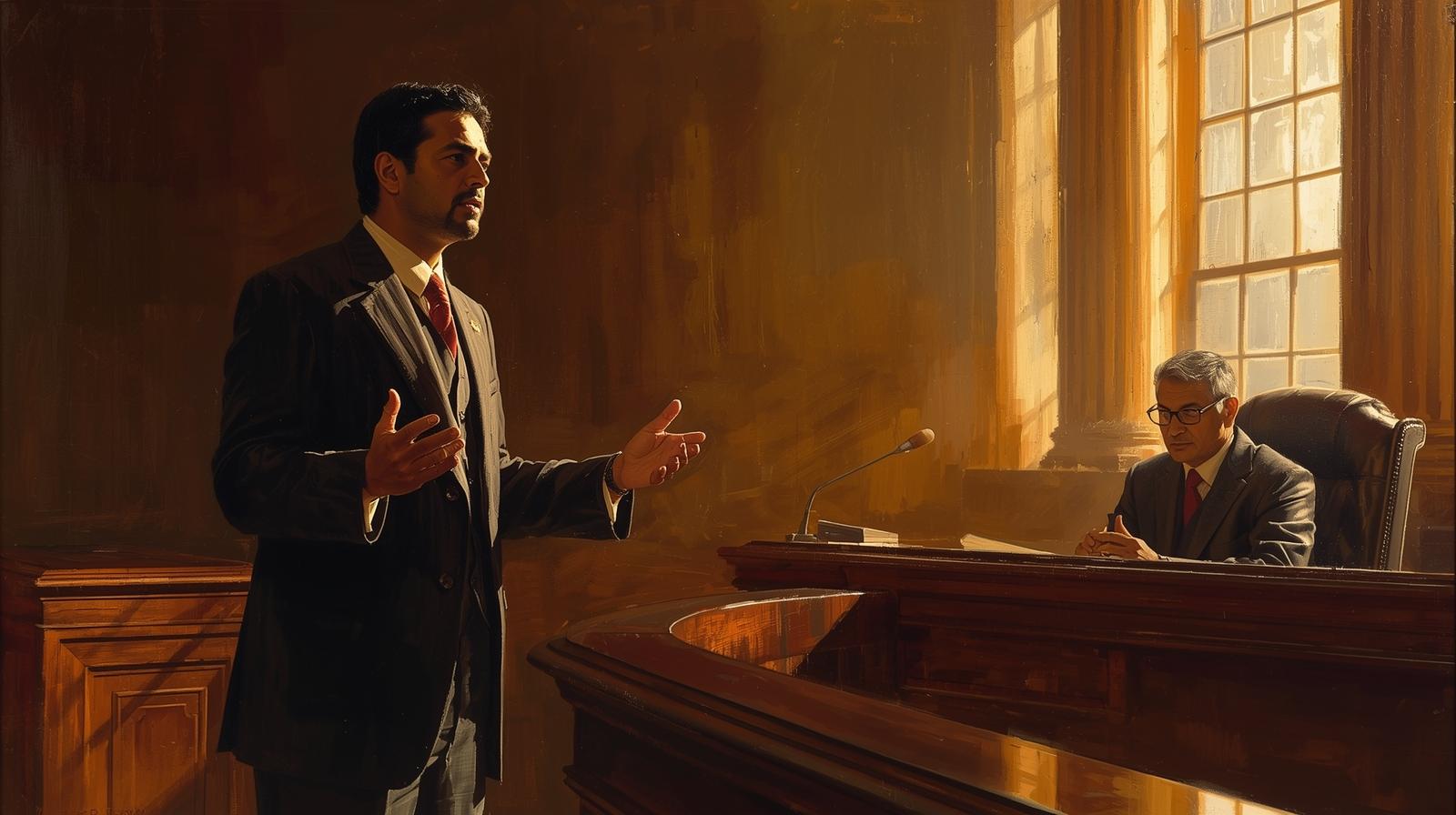
After evidence is complete, the matter moves to final arguments. This is where advocates present the legal and factual analysis of the entire case. A well-prepared advocate highlights contradictions, weaknesses, legal issues, and relevant case laws. Arguments should be clear, logical, and focused on the issues framed. Judges rely heavily on arguments to understand the case theory of both parties.
After hearing arguments, the court reserves and then pronounces judgment. A judgment contains the reasoning, findings on each issue, and the final conclusion. Once the judgment is delivered, the court passes a decree, which is the executable part of the order. The decree may grant the relief, reject the claim, or partially allow the suit.
The final stage is execution of the decree. Winning a civil case does not automatically give relief—you must execute the decree to get possession, money, injunction, or enforcement. An advocate must file an execution petition if the opposite party does not comply with the judgment voluntarily.
In summary, the civil suit procedure moves in a systematic step-by-step manner: plaint → summons → written statement → replication → issues → evidence → arguments → judgment → decree → execution. Once a young advocate understands this flow, handling civil matters becomes logical and predictable. Mastering civil procedure not only improves litigation skills but also builds strong confidence in handling complex disputes.