
For every young advocate, understanding courtroom etiquette is as important as knowing the law. The way you stand, speak, behave, and present yourself directly influences how judges, seniors, and clients perceive your professionalism. Courtroom behaviour is not about showing authority; it is about showing respect, discipline, and maturity. Good etiquette builds credibility, while even a small mistake can harm your image in the early years of practice.
One of the first expectations in court is to maintain proper dress code. Wearing a clean, well-ironed white shirt, black pant, black tie, and a proper black coat reflects your seriousness about the profession. Your coat should not be too flashy or too casual. Remember, your attire is not just clothing—it represents the dignity of the legal profession.
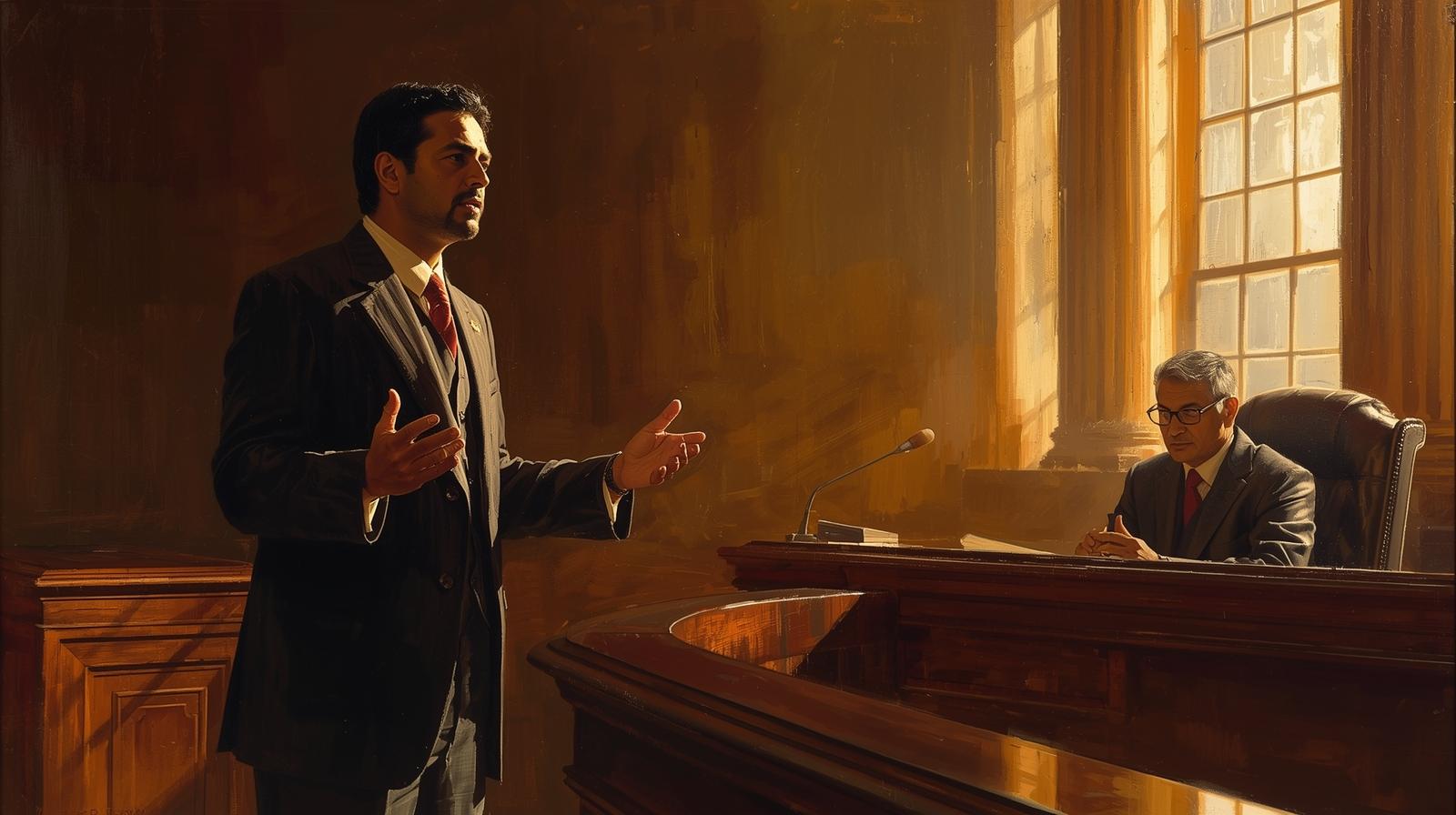
The next important aspect is how you address the court. Always address the judge as “Your Honour”, “Your Lordship”, or “Sir/Madam” depending on the court tradition. Never raise your voice unnecessarily, argue with the judge, or show frustration. If the court disagrees with you, simply say, “Much obliged, My Lord” or “I request to be heard”. Calm language shows maturity and earns respect even when the judge disagrees with your argument.
Entering the courtroom also requires discipline. When you enter, always bow slightly towards the court as a sign of respect. This is a long-standing tradition in the legal community. Do not rush to the front benches or push through the crowd. Sit quietly and avoid unnecessary talking or movement while proceedings are going on. Court is not a place for informal conversations.
When your matter is called, rise immediately and announce your appearance clearly:
“May it please the Court, Advocate ______ appearing for the complainant/plaintiff/accused/defendant.”
Speak slowly and confidently. Do not shout. If you need time, always ask politely by saying, “I humbly request for a short pass-over” or “I seek a brief adjournment due to…” with a valid reason.
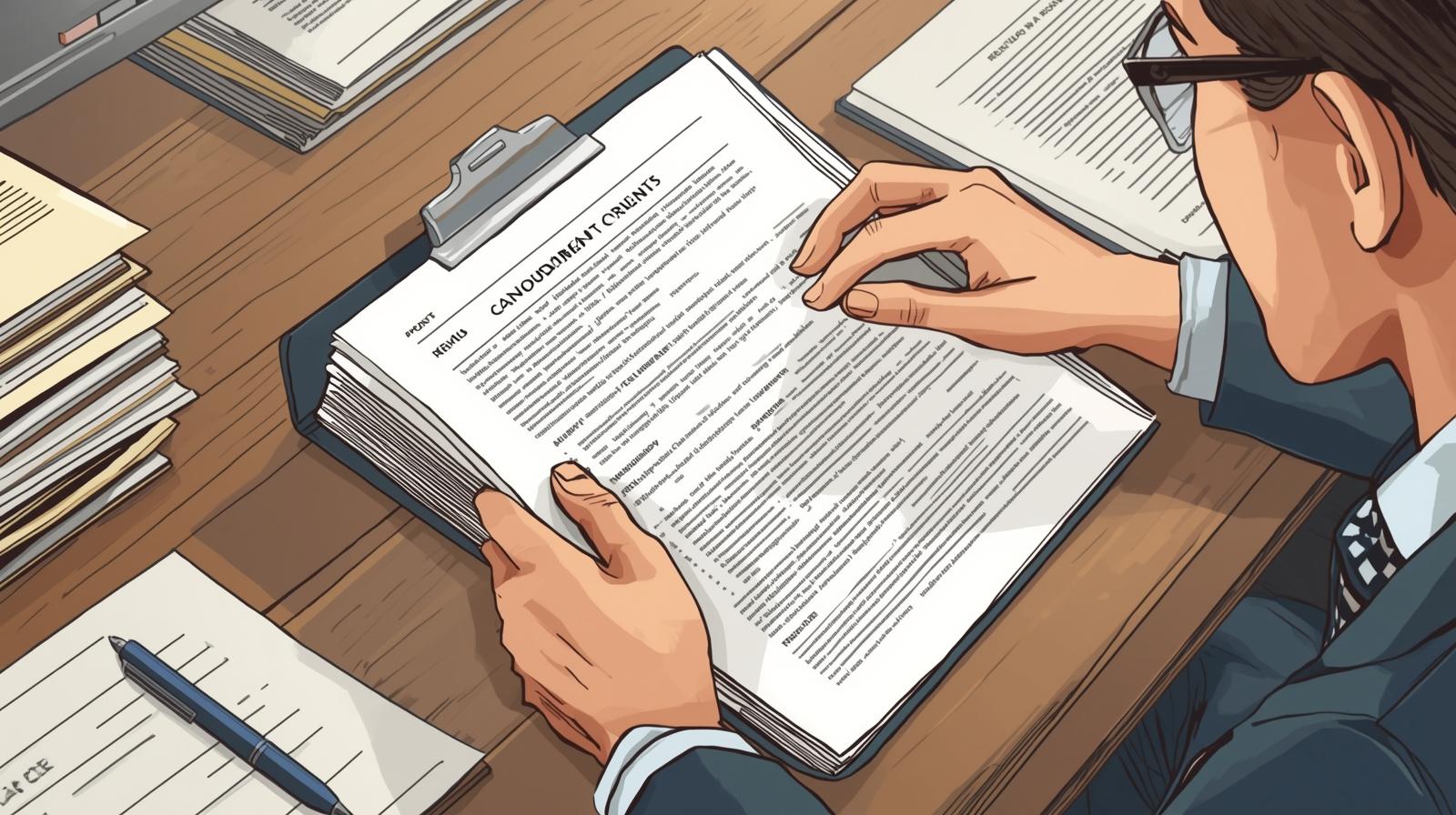
Proper file handling is another key part of courtroom etiquette. Your file must be organized, with neatly arranged documents, marked pages, and notes. Flipping pages in confusion or searching for documents during arguments reflects lack of preparation. Keep your notes ready on the top. A neat file shows the court that you respect its time.
When arguing, maintain eye contact with the judge, not the other side. Avoid pointing fingers or making personal attacks. Focus on facts, law, and issues. Never interrupt the judge or the opponent while they are speaking unless the court specifically asks you to respond. Interrupting shows disrespect and weakens your credibility.
Communication with court staff should always be polite and respectful. Court clerks, stenographers, sheristedars, and peons play a crucial role in the smooth functioning of the court. Never be rude to them. A respectful advocate always gets better administrative support, which indirectly helps your case management.
Another important behaviour is maintaining a calm and composed attitude. Even if the opponent makes false statements, do not lose your temper. Judges observe every expression and gesture. Showing anger or ego reduces your professionalism. Instead, note down the statement and address it politely when your turn comes.
Use your mobile phone responsibly. Keep it on silent mode. Do not use your phone while arguments are going on. Even small distractions can show disrespect to the court. If you need to check a document on your phone, seek permission from the court by saying, “With the Court’s permission, may I refer to my digital document?”
Respect towards seniors and colleagues is another essential part of courtroom etiquette. Always greet seniors respectfully, offer help to fellow advocates when required, and never criticize another lawyer in open court. The legal profession runs on dignity, and young advocates who show humility earn more guidance and opportunities.
In summary, courtroom etiquette is not a formality—it is a professional identity. Maintain proper attire, speak respectfully, handle your file systematically, and behave with dignity. Discipline, politeness, and confidence leave a long-lasting impression on judges and seniors. Mastering courtroom behaviour is the first step towards becoming a successful and respected advocate.