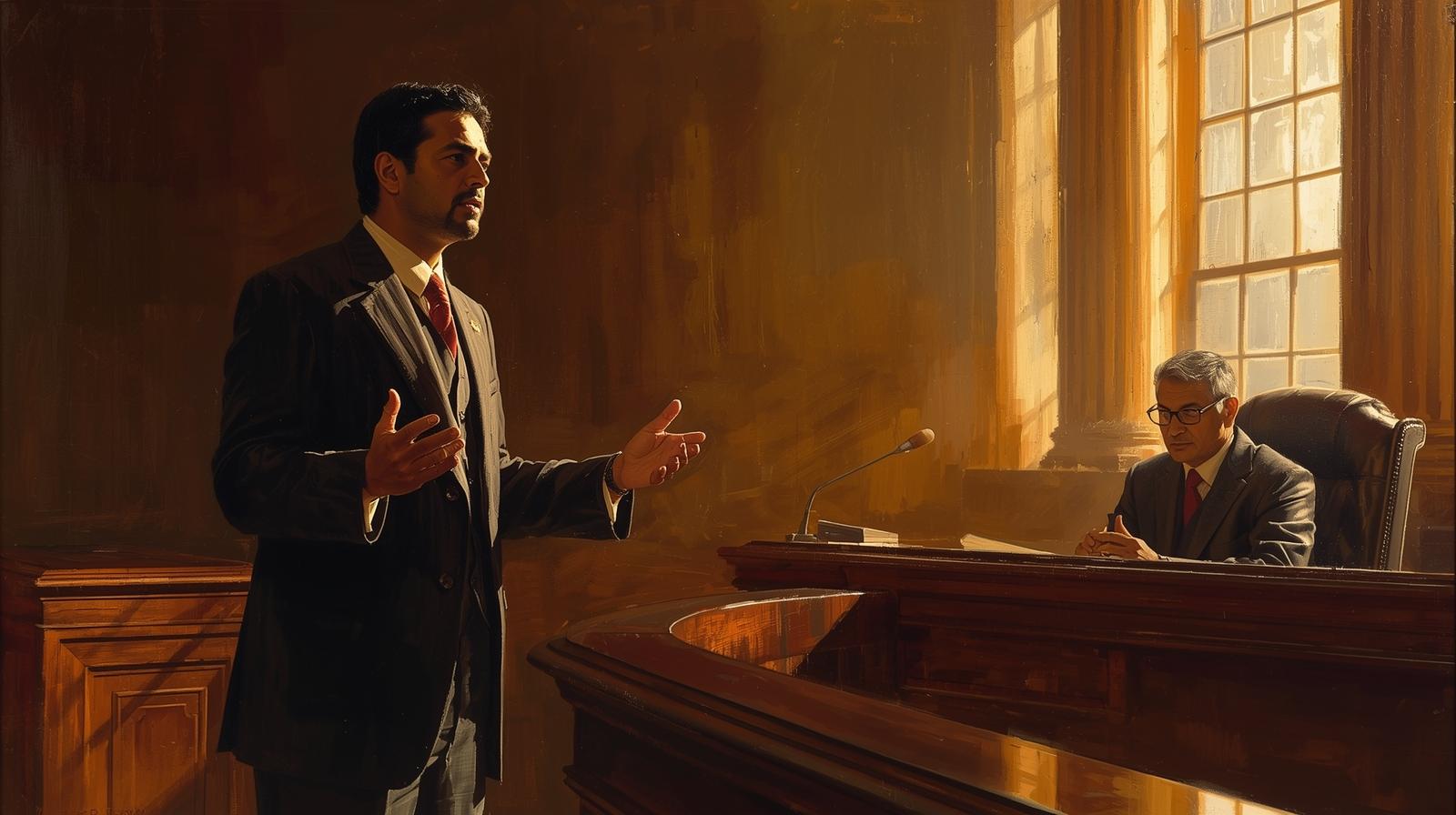

Courtroom etiquette is one of the most important aspects of a young advocate’s career. Even before you speak about the law, judges and seniors observe how you stand, behave, dress, communicate, and conduct yourself inside the courtroom. Good etiquette reflects discipline and respect for the profession, while improper behaviour can damage your credibility even if your legal knowledge is strong. Every young advocate must treat courtroom behaviour as seriously as case preparation.
One of the first components of courtroom conduct is maintaining the proper advocate dress code. A neat white shirt, clean black pant, black tie, and a tidy black coat reflect professionalism. Avoid flashy, colourful, or casual clothing. Your attire shows the court that you respect its dignity. A well-dressed advocate makes a strong first impression, especially in front of judges who value discipline.
The next important part of courtroom etiquette is how you address the court. Always use respectful terms like “Your Honour,” “Your Lordship,” “Sir,” or “Madam,” depending on the court. Never interrupt a judge, argue unnecessarily, or raise your voice. If the judge disagrees with your submission, maintain composure and respond politely. Courtroom behaviour is not about showing dominance but showing maturity and respect.
When entering the courtroom, always bow slightly towards the judge as a mark of respect. Do not rush in, talk loudly, or create disturbance. Sit quietly and wait for your matter to be called. Young advocates often forget that the courtroom is a formal space, not a casual meeting area. Avoid unnecessary walking, whispering, or laughing while proceedings are going on.
When your matter is called, rise immediately and introduce yourself clearly:
“May it please the Court, Advocate ______ appearing for the plaintiff/defendant/accused.”
Speak slowly, confidently, and respectfully. If you need time or an adjournment, ask politely:
“I humbly request for a short adjournment due to…”
Judges appreciate advocates who communicate respectfully and honestly.
Proper file handling is also a major part of courtroom discipline. An advocate must enter court with an organized file, marked pages, and a clear case note. Searching for documents during arguments, flipping pages endlessly, or appearing confused creates a poor impression. A well-arranged file shows preparation and respect for the court’s time.
Cross-behaviour inside the courtroom also matters. Never point fingers at the opponent, never make personal attacks, and never raise your voice at a witness. Focus only on law, facts, and arguments. Judges form impressions not only on what you say but how you say it. Calmness, politeness, and clarity always work better than aggression.
Respecting court staff—clerks, sheristedars, typists, peons—is equally important. They assist in calling matters, locating files, preparing orders, and guiding administrative work. Treat them with politeness. A well-mannered advocate gets smoother cooperation and faster help. Rudeness towards staff is one of the quickest ways to lose respect in court.
Another major part of courtroom etiquette is how you handle your mobile phone. Keep it strictly on silent mode. Avoid using your phone while the court is hearing matters. Even looking at your screen repeatedly may be taken as disrespect. If you need to refer to a digital document, seek permission from the court first.
A young advocate must also observe seniors closely. Watch how they stand, how they argue, how they pause, how they respond to difficult questions. Observation is one of the most powerful teachers in court practice. You will learn courtroom rhythm, tone, and style by simply attending hearings even when you have no matter.
Lastly, always maintain professional boundaries. Be polite but not over-friendly with clients inside court. Do not gossip or comment on ongoing matters. Never criticize another advocate or judge in open court. The legal profession runs on dignity and honour, and your behaviour must reflect that.
In conclusion, courtroom etiquette is not a formality—it is a professional identity. A young advocate earns respect by maintaining proper dress, respectful language, organized files, calm behaviour, disciplined communication and dignity. Mastering courtroom etiquette makes you stand out as a serious and responsible advocate long before you speak a single word of law.