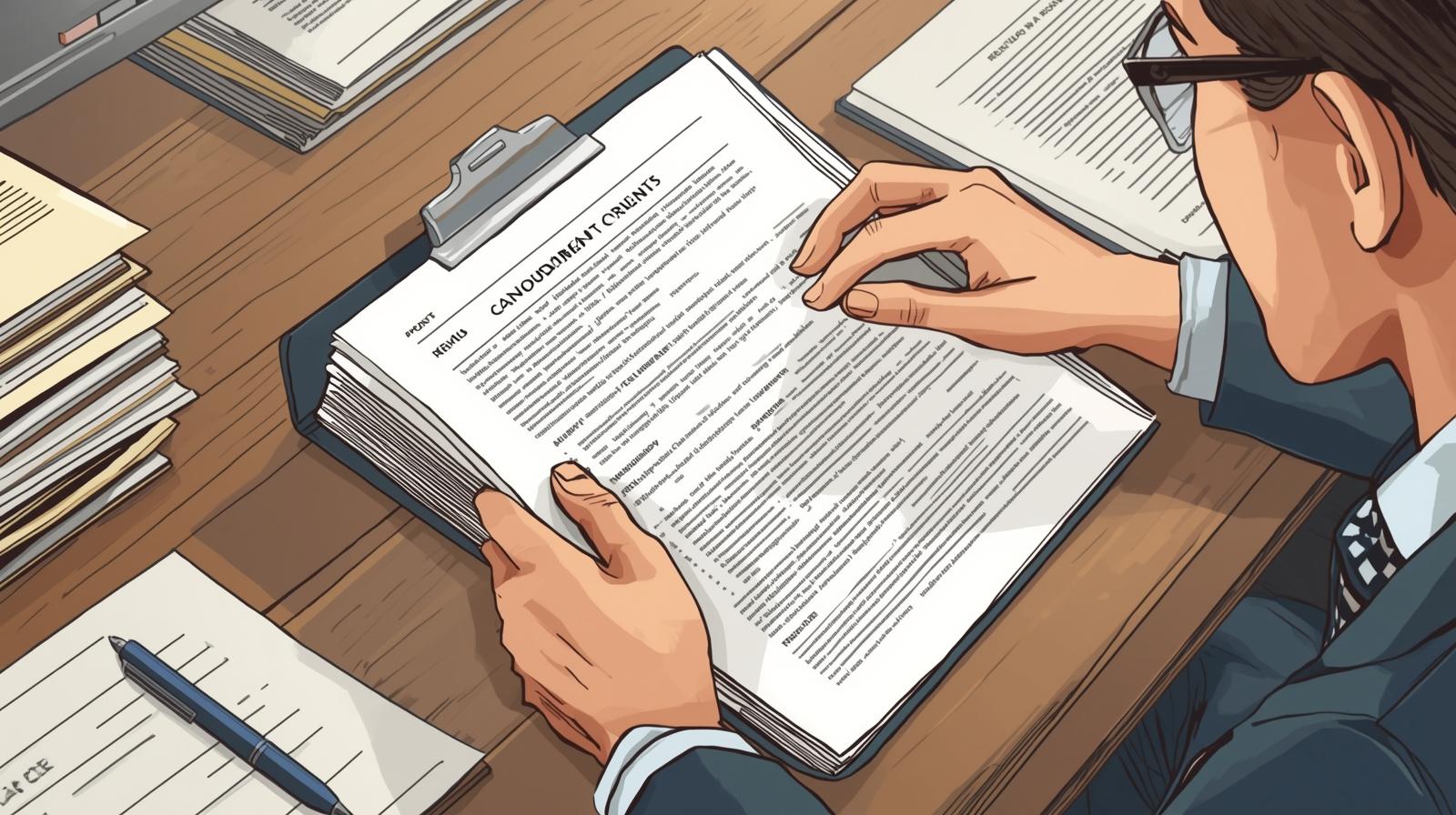

Legal drafting is one of the most important skills for any advocate. Whether you are preparing a plaint, written statement, bail application, notice, affidavit, or agreement, the strength of your draft decides the quality of your case. A well-written draft convinces judges faster, reduces objections, and establishes your professionalism. For young advocates, drafting may feel difficult at first, but with proper structure and practice, it becomes one of the most powerful tools in your legal career.
The first basic rule of drafting is clarity. A draft must be simple, clear, and direct. Avoid long and complicated sentences. Courts prefer precise language that conveys facts and reliefs without confusion. A good draft is not one that uses heavy words, but one that communicates truth effectively. Ask yourself: Can a person with no legal knowledge understand what I have written? If yes, then your drafting is clear.
Another essential principle is chronology. Every legal draft must follow a proper sequence of events. Start with the background, then move to the main incident, and finally present the current situation. Writing events in the right order helps the judge understand the entire story without confusion. Disorganized drafts break the flow and weaken the case. Always write facts in a natural timeline.
Drafting must always be fact-based, not emotion-based. Facts win cases—not emotions. Avoid unnecessary adjectives like “false,” “malicious,” or “baseless” unless supported by facts. Instead, present the actual events, dates, documents, and actions. Let facts speak for themselves. Emotional drafting reduces credibility and gives the impression of bias.
Every draft must contain material facts, meaning facts that are necessary to establish your claim or defence. Do not write irrelevant background stories. Focus only on what is necessary to support your case. For example, in a cheque bounce case, the essential facts are issuance of cheque, purpose, dishonour, legal notice, and non-payment. Adding unnecessary details only weakens the draft.
Legal drafting also requires proper use of documents. Every important fact must be supported by a document—agreement, receipt, email, WhatsApp message, invoice, notice, or medical report. When writing, mention the document and attach it as an annexure. Courts rely heavily on documentary evidence. If you write something without evidence, the opposite party will challenge it.
Another important part of drafting is framing the reliefs clearly. Relief is the most critical part of pleading. The court will only grant what you specifically ask for. If you miss a relief, you lose it. Reliefs must be clear, precise, and reasonable. Whether you want compensation, injunction, bail, maintenance, or directions—mention it clearly in a separate paragraph. Strong relief drafting reflects strong case preparation.
A beginner must also focus on legal grounds, which form the legal basis of your claim. Legal grounds connect facts with law. For example, in a civil suit for injunction, the grounds may include possession, threat of dispossession, absence of alternative remedy, and balance of convenience. In criminal matters, grounds may relate to lack of intention, false implication, weak evidence, or violation of procedure. Legal grounds show the court why your client deserves relief.
While drafting, pay special attention to language and professionalism. Avoid allegations without proof, avoid personal attacks, and avoid disrespectful language. Always maintain dignity. Draft every document as if it will be read by the judge. Mistakes, spelling errors, and poorly formed sentences create a negative impression. A polished draft shows seriousness and respect for the profession.
Another key skill is structuring your draft. Every legal draft must have:
Title and court heading
Parties and their details
Introduction/Background facts
Cause of action
Jurisdiction statement
Material facts in chronological order
Documents relied upon
Legal grounds
Relief sought
Verification/affidavit
Once you follow this structure, drafting becomes systematic and easy.
Beginners must also learn to review and edit their drafts. Never file a document without reading it at least twice. Look for missing facts, unclear sentences, formatting issues, and spelling errors. Reviewing helps catch mistakes that may create problems during trial.
Finally, drafting improves only with practice. Start by drafting simple applications, notices, and affidavits. Observe how seniors draft pleadings. Study sample drafts available in court record rooms. Read judgments to understand how judges expect facts to be presented. With every draft, your skill will improve.
In conclusion, legal drafting is built on clarity, chronology, material facts, proper structure, legal grounds, and strong reliefs. A young advocate who masters these basics becomes more confident, more credible, and more effective in court. Drafting is not just writing—it is strategy on paper.